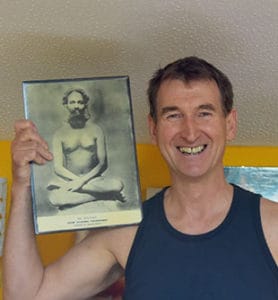
Duncan Hulin
Founder & Director, Devon School of Yoga
Integrated · Body · Mind · Spirit
Every part of the individual is intimately interconnected — the whole being nourished and balanced through integrated practice.
The Practice
Holistic means that every part of the individual is intimately interconnected and can only be understood within the context of the whole. In terms of a yoga practice, the whole being is nourished and balanced through the integration of physical, mental and spiritual self-development.
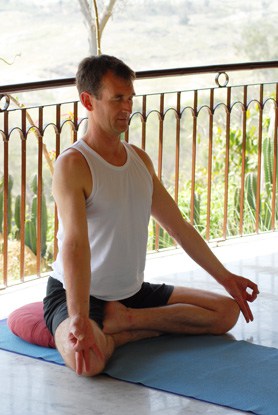
In holistic yoga, as well as learning the yoga postures (asanas) you will also be taught about breathing techniques (pranayama), purification techniques (kriyas), meditation (dhyana) and deep relaxation (nidra). This approach to yoga is very accessible for most people regardless of age, flexibility, fitness or previous yoga experience.
Holistic yoga encourages practitioners to recognise their own uniqueness: to develop independence and freedom from dogma and to practice yoga in a way that supports and sustains them at every stage of their life journey.
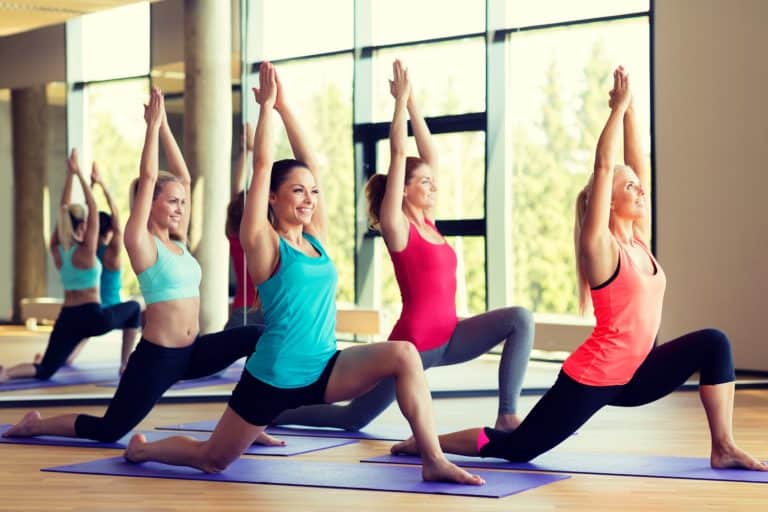
What to expect in a holistic yoga class: A holistic yoga class will begin (and also end) with some quiet sitting practice and breath-focused awareness. The physical portion of the class will include some gentle preliminary warming-up exercises, some postures (dynamic and held) followed by deep relaxation. Some classes will also include Kriyas (internal cleansing using breath), pranayama (regulation and expansion of breath) and also some meditation.
From the collective
Connect directly with the Holistic Yoga teachers in our Devon collective — visit their website or email them to book.